


What Is Aqeeqah? Meaning, Purpose & How It Is Performed
The birth of a child is one of life’s greatest blessings, and many Muslim families commemorate this special occasion through Aqeeqah. This cherished Islamic tradition is observed as an expression of gratitude to Allah for the gift of a newborn while bringing family, friends, and the wider community together.
As part of Aqeeqah, healthy livestock such as sheep or goats are selected, and the meat is shared with relatives, neighbours, and those in need. Beyond the act itself, Aqeeqah reflects the values of gratitude, generosity, and compassion that are central to Islamic teachings.
In this guide, you’ll learn what Aqeeqah is, why it is performed, when it is traditionally observed, how to choose suitable livestock, and the options available for families looking for Aqeeqah livestock in the UAE.
The Meaning of Aqeeqah
Aqeeqah is an Islamic tradition observed to celebrate the birth of a child and express gratitude to Allah for this precious blessing. It has been practised by Muslim families for generations and continues to be an important occasion that strengthens family bonds and encourages acts of kindness within the community.
During Aqeeqah, a suitable sheep or goat is selected according to Islamic guidelines, and the meat is shared among family members, friends, neighbours, and those in need. This act of sharing reflects the spirit of generosity and thankfulness that the occasion represents.
While customs may differ slightly between families and cultures, the purpose of Aqeeqah remains the same—to celebrate the arrival of a newborn and share that joy with others in a meaningful way.
Quick Facts About Aqeeqah
✔ Purpose: To express gratitude for the blessing of a newborn.
✔ Common livestock: Sheep and goats.
✔ Who receives the meat: Family, friends, neighbours, and those in need.
✔ Suitable for: Muslim families celebrating the birth of a child.
Why Is Aqeeqah Performed?
Aqeeqah is performed as an expression of gratitude to Allah for the blessing of a newborn child. It is a cherished Islamic tradition that allows families to celebrate this joyful occasion while sharing happiness with relatives, friends, neighbours, and those in need.
Beyond the celebration itself, Aqeeqah reflects important values such as gratitude, generosity, and compassion. By sharing the meat from the sacrifice, families strengthen relationships, support their communities, and create meaningful memories around the arrival of a new family member.
While cultural traditions may vary from one region to another, the purpose of Aqeeqah remains consistent—to thank Allah for the gift of a child and mark the occasion with kindness and generosity.
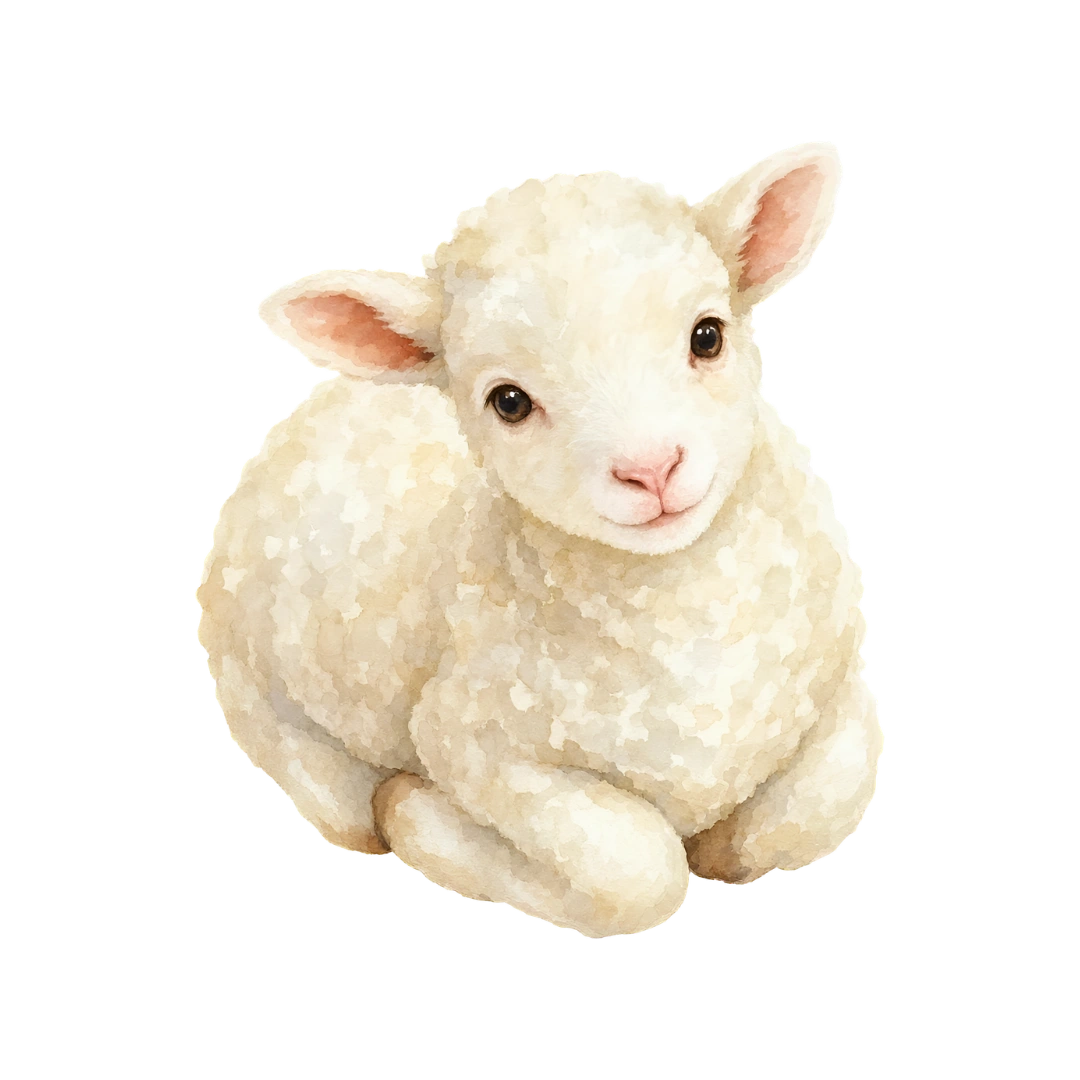

Aqeeqah is a beautiful way to celebrate the blessing of a newborn while sharing joy and generosity with family, friends, and the community.
Why Families Perform Aqeeqah
- Express Gratitude
Give thanks to Allah for the blessing of a newborn child.
- Share with Others
Distribute meat among family, friends, neighbours, and those in need.
- Celebrate Together
Bring loved ones together to celebrate the arrival of a new family member.
- Strengthen Community Bonds
Encourage generosity, compassion, and togetherness through sharing.
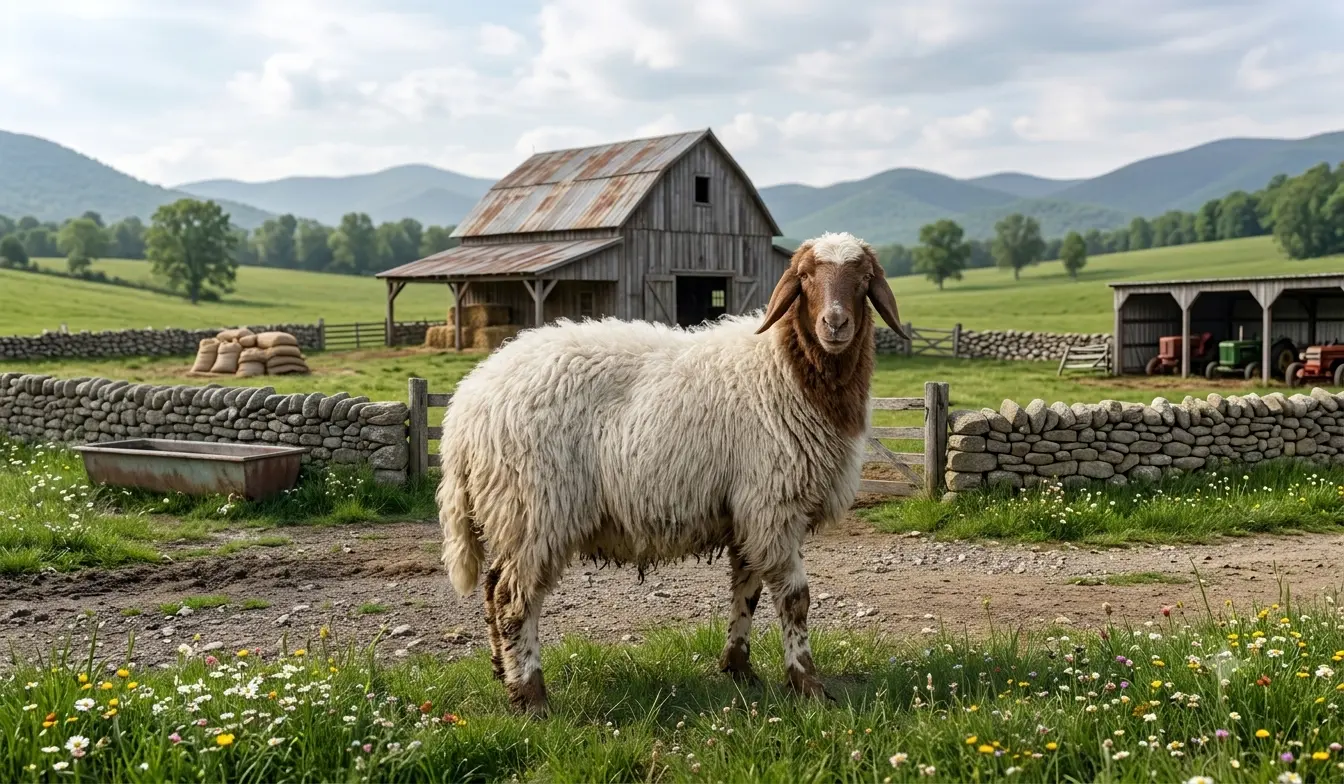
Aqeeqah is more than a celebration—it is an occasion that brings families together while encouraging acts of generosity and care for others. Choosing healthy, quality livestock helps families prepare for this special event with confidence and peace of mind.
How Is Aqeeqah Performed?
Aqeeqah is traditionally performed after the birth of a child as a way of expressing gratitude to Allah. Although customs and traditions may vary between countries and families, the general process remains centred on gratitude, generosity, and sharing.
Preparing in advance helps ensure that the occasion is organised smoothly. This includes choosing healthy livestock, arranging the sacrifice according to Islamic guidelines, and planning how the meat will be distributed among family, friends, neighbours, and those in need.
Typical Steps in an Aqeeqah
- Select Healthy Livestock
- Arrange the Aqeeqah
Coordinate the preparation with your trusted supplier and ensure the Aqeeqah is carried out according to Islamic guidelines and local regulations.
- Share the Meat
The meat is commonly distributed among family members, relatives, friends, neighbours, and those in need, reflecting the values of generosity and community.
- Celebrate the Occasion
Many families gather together, pray for the newborn, and celebrate this special milestone with loved ones in a meaningful and memorable way.
Every family’s Aqeeqah may be organised differently depending on personal preferences and local traditions. Planning ahead and choosing quality livestock can help make the experience smooth, respectful, and memorable.
When Should Aqeeqah Be Performed?
Aqeeqah is traditionally observed after the birth of a child. Many Muslim families choose to perform it on the seventh day after birth when possible, following the established tradition. If this is not practical, some families may observe Aqeeqah at a later time according to their circumstances and the guidance they follow.
The timing of Aqeeqah can vary based on individual situations and local customs. Families who are unsure about the appropriate timing are encouraged to seek guidance from knowledgeable Islamic scholars or their local religious authorities.
Regardless of when it is performed, the purpose of Aqeeqah remains the same—to express gratitude, celebrate the arrival of a newborn, and share blessings with family, friends, and those in need.
Choosing the Right Livestock for Aqeeqah
Selecting healthy and well-cared-for livestock is an important part of preparing for Aqeeqah. Whether you choose a sheep or a goat, the animal should be healthy, suitable for the occasion, and sourced from a trusted supplier.
Families often base their decision on personal preference, family size, meat preference, availability, and budget. In the UAE, both sheep and goats are popular choices for Aqeeqah, and each offers its own advantages depending on your requirements.
When purchasing livestock, it is worth considering factors such as the animal’s health, age, quality, and the reputation of the supplier. Choosing livestock from an experienced farm helps ensure quality, proper care, and a smoother experience from selection through delivery.
Popular Livestock for Aqeeqah in the UAE
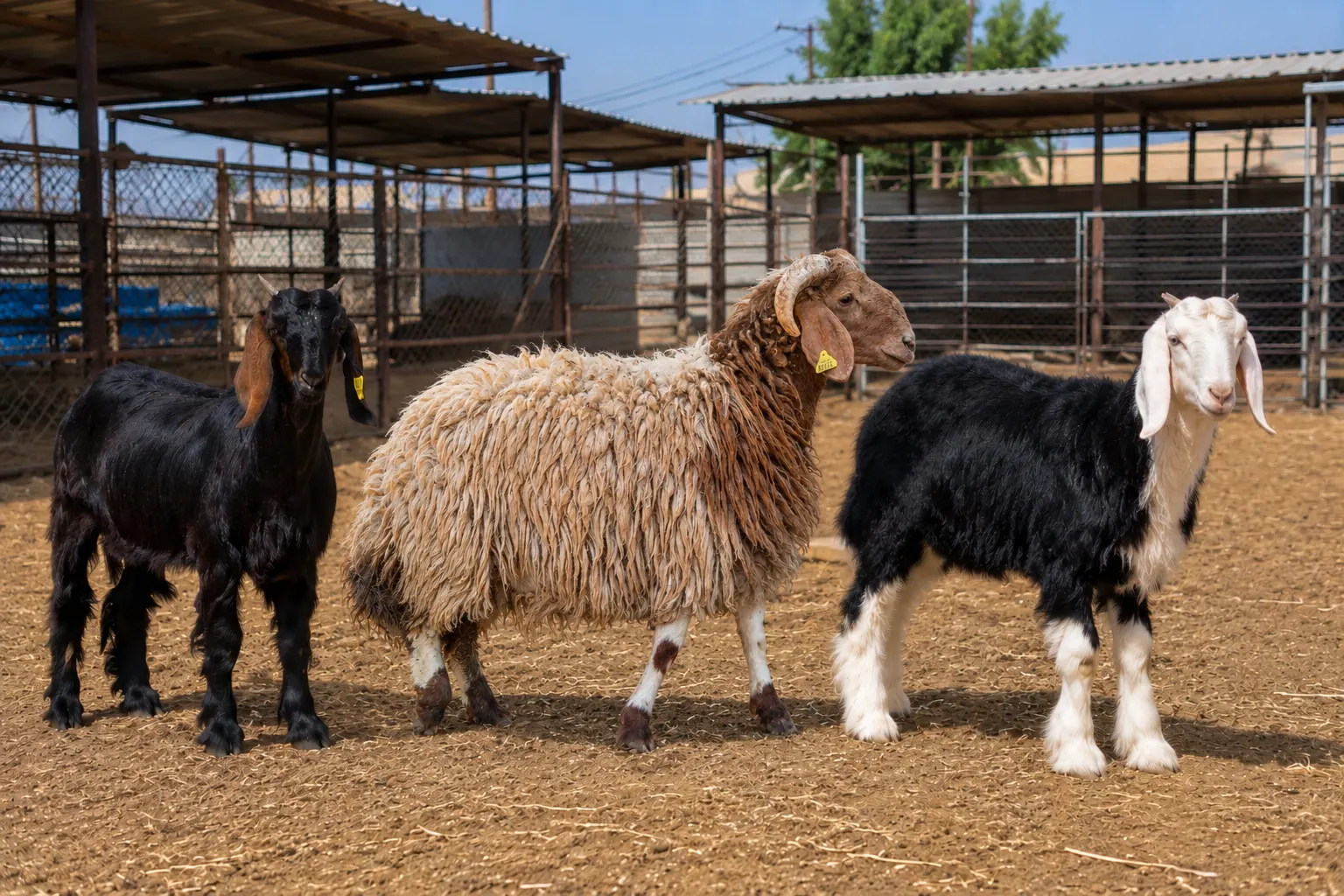
Al Khaleej Farm offers a carefully selected range of healthy sheep and goats suitable for Aqeeqah in the UAE. Below are some of the most popular livestock options chosen by families for this special occasion.

Naimi Sheep
Naimi sheep are among the most popular choices for Aqeeqah in the UAE. Known for their quality and suitability for family occasions, they are often selected by families looking for a premium option.

Najdi Sheep
Najdi sheep are valued for their distinctive appearance and popularity throughout the region. They are a preferred choice for many families due to their reputation and quality.

Local Goat
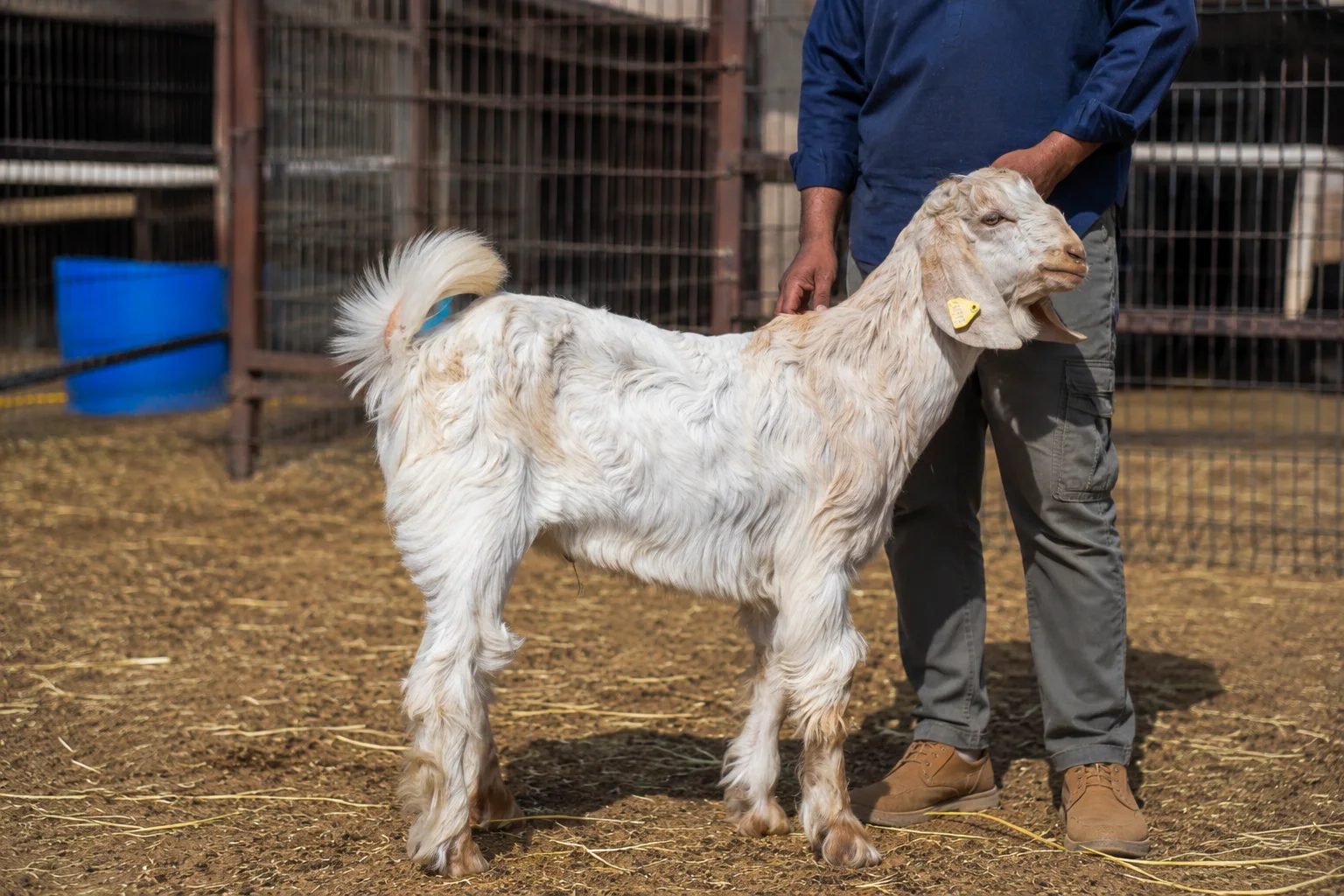
Local goats are a practical and popular choice for Aqeeqah. They are widely available and suitable for families looking for quality livestock at various sizes and preferences.
Sheep or Goat for Aqeeqah: Which Should You Choose?
One of the most common questions families ask when planning Aqeeqah is whether they should choose a sheep or a goat. The answer depends on your family’s preferences, the number of guests, availability, and your budget rather than one option being universally better than the other.
Both sheep and goats are commonly chosen for Aqeeqah in the UAE when they meet the relevant Islamic requirements. Many families select the animal based on meat preference, the size of the gathering, and local availability.
If you are unsure which option best suits your needs, speaking with a trusted livestock supplier can help you choose the most appropriate animal for your Aqeeqah.
Feature
Sheep
Goat
Suitable for Aqeeqah
Yes
Yes
Popular in the UAE
Yes
Yes
Ideal for
Families seeking premium sheep
Families looking for a practical option
Available Options
Naimi, Najdi and other breeds
Local Goat and other varieties
Best Choice
Depends on family preference
Depends on family preference
Suitable for Aqeeqah
Sheep
Yes
Goat
Yes
Popular in the UAE
Sheep
Yes
Goat
Yes
Ideal for
Sheep
Families seeking premium sheep
Goat
Families looking for a practical option
Available Options
Sheep
Naimi, Najdi and other breeds
Goat
Local Goat and other varieties
Best Choice
Sheep
Depends on family preference
Goat
Depends on family preference
Whether you choose a sheep or a goat, the most important consideration is selecting healthy, quality livestock from a trusted supplier. At Al Khaleej Farm, we offer carefully selected sheep and goats to help families prepare for Aqeeqah with confidence.
Why Choose Al Khaleej Farm for Aqeeqah?
Choosing the right livestock supplier is just as important as selecting the animal itself. At Al Khaleej Farm, we are committed to providing healthy, well-cared-for sheep and goats that meet the expectations of families across the UAE.
We understand that Aqeeqah is a meaningful occasion, which is why we focus on quality livestock, reliable service, and a smooth purchasing experience from selection to delivery.
- Healthy Livestock
Carefully selected sheep and goats raised with proper care.
- Premium Quality
Quality livestock suitable for family occasions.
- Multiple Livestock Options
Choose from Naimi Sheep, Najdi Sheep, Local Goat, and more.
- Convenient Ordering
Browse products and place your order online.
- Delivery Across the UAE
Reliable delivery to customers across the UAE.
- Trusted by Families
Committed to quality, service, and customer satisfaction.
Browse our Aqeeqah collection to explore healthy sheep and goats suitable for your family’s requirements. If you need assistance selecting the right livestock, our team is always happy to help.
Conclusion
Aqeeqah is a meaningful Islamic tradition that allows families to express gratitude for the blessing of a newborn while sharing joy and generosity with others. Understanding why Aqeeqah is performed, when it is traditionally observed, and how to choose suitable livestock can help families prepare for the occasion with greater confidence.
Whether you prefer a sheep or a goat, choosing healthy, well-cared-for livestock from a trusted supplier is an important part of the preparation. Families in the UAE can consider factors such as livestock quality, breed, size, availability, and personal preference when making their selection.
At Al Khaleej Farm, we provide a range of carefully selected sheep and goats suitable for families preparing for Aqeeqah across the UAE.
Need Help Choosing Livestock for Aqeeqah?
Explore our selection of healthy sheep and goats for Aqeeqah in the UAE, or contact our team if you need help choosing an option that suits your family’s preferences and requirements.
Frequently Asked Questions (FAQ)
Find answers to some of the most common questions about Aqeeqah, including when it is performed, choosing suitable livestock, and finding sheep and goats for Aqeeqah in the UAE.
What is Aqeeqah?
There is no single “better” breed, as the right choice depends on your personal preferences and intended use. Naimi Sheep is widely appreciated for its tender meat and popularity across the Gulf region, while Najdi Sheep is known for its distinctive appearance and rich flavour. Both are excellent choices for family meals, celebrations, and traditional occasions.
Why is Aqeeqah performed?
Aqeeqah is performed to express gratitude for the blessing of a newborn and to follow an established Islamic tradition. It also encourages generosity by sharing food with relatives, friends, neighbours, and people in need.
When should Aqeeqah be performed?
Aqeeqah is traditionally observed on the seventh day after the birth of a child when possible. If this is not practical, families may perform it later according to their circumstances and the religious guidance they follow. For specific guidance, it is best to consult a qualified Islamic scholar.
Can a goat be used for Aqeeqah?
Yes, goats are commonly selected for Aqeeqah, provided the animal meets the relevant Islamic requirements. Families may choose between sheep and goats depending on availability, personal preference, budget, and their requirements for the occasion.
How many animals are required for Aqeeqah?
In the commonly followed practice, two sheep or goats are associated with Aqeeqah for a baby boy and one for a baby girl. However, scholarly guidance and individual circumstances may vary, so families should consult a qualified Islamic scholar if they have questions about the requirements for their situation.
Can Aqeeqah be performed after the seventh day?
If Aqeeqah cannot be performed on the seventh day, it may be observed later according to the religious guidance a family follows. Circumstances can differ, so families who are uncertain about the appropriate timing should seek advice from a knowledgeable Islamic scholar or local religious authority.
What should I consider when choosing livestock for Aqeeqah?
When selecting livestock for Aqeeqah, consider the animal’s health, age, overall condition, quality, and suitability according to the religious guidance you follow. It is also important to choose livestock from a trusted supplier that provides clear information about the animals available.
Where can I find sheep and goats for Aqeeqah in the UAE?
Al Khaleej Farm offers a selection of sheep and goats for families preparing for Aqeeqah in the UAE, including Naimi Sheep, Najdi Sheep, Local Goat, and other livestock options. You can browse the available Aqeeqah collection online and choose an option based on your preferences and requirements.


